
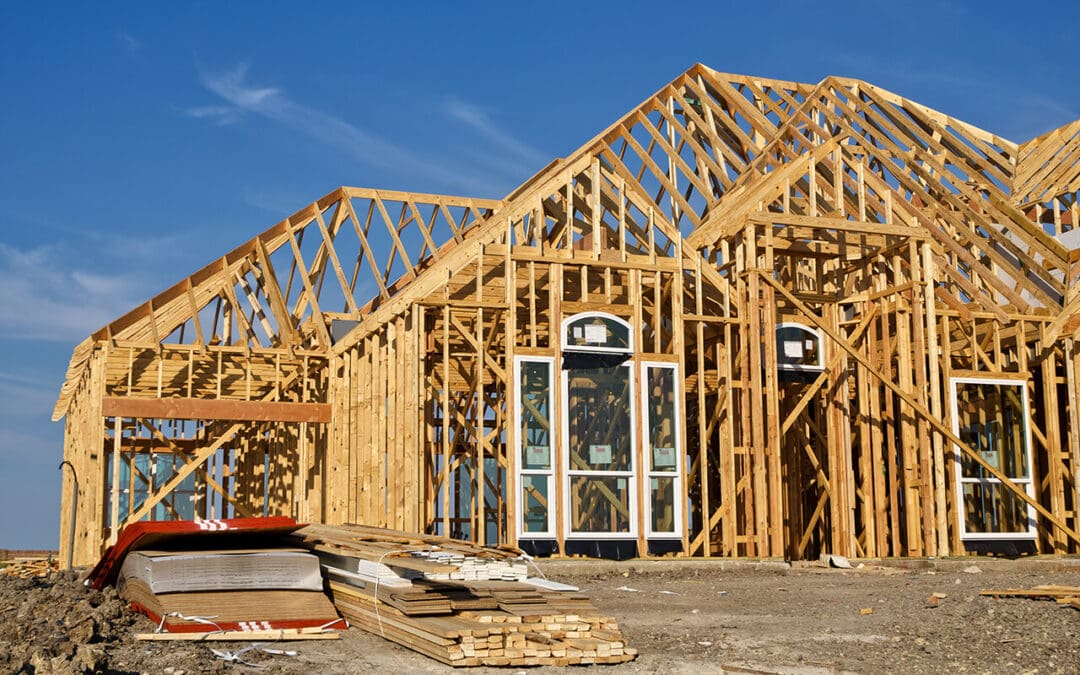
There’s a common and costly misconception among new home buyers: that a brand-new home doesn’t need an inspection because it was just built. In reality, new construction inspections are among the most important home inspections performed. New homes are built by humans, inspected by municipal code inspectors who have limited time and access, and completed under the pressure of builder timelines. Mistakes happen, and many of them are invisible by the time drywall goes up.
What New Construction Inspections Actually Cover
A new construction home inspection performed by an independent, licensed inspector evaluates the completed home much as a resale inspection does, including the roof, foundation, framing, mechanical systems, electrical, plumbing, insulation, and exterior. The key difference is context: the goal is documenting the home’s condition before the buyer takes possession and before any builder warranty issues become a dispute. Common findings include improperly installed insulation, HVAC systems that aren’t correctly configured, electrical issues like missing arc fault breakers, plumbing that doesn’t drain correctly, and exterior grading that directs water toward the foundation. These are issues that municipal inspectors may miss, and they’re far easier to address before closing than after.
The Case for New Construction Phase Inspections
While a final inspection before closing is valuable, the most thorough approach is a phased plan, scheduling independent inspections at critical construction milestones rather than only at completion. Phase inspections catch problems when they’re still accessible and correctable, before they’re buried behind finished surfaces. There are typically three phases where new construction inspections deliver the most value. The first is the pre-pour inspection, conducted before concrete is placed for the foundation or slab. At this stage, an inspector evaluates footings, reinforcement, and soil conditions permanently concealed once concrete is placed. A compromised foundation affects the entire structure for the life of the home. The second is the pre-drywall inspection, often the most important. With full visibility into framing, electrical rough-in, plumbing, HVAC ductwork, and insulation, an inspector can identify missing fireblocking, improperly supported framing, uninsulated ducts, and electrical deficiencies that are straightforward to correct before drywall. The third is the final inspection before closing, confirming that earlier issues have been addressed and identifying any new deficiencies from the finishing stages.
Working With Your Builder During New Construction Inspections
As a buyer, your right to conduct new construction inspections should be clearly established in your purchase contract before signing. Review the contract with an attorney if necessary to confirm that independent access is explicitly permitted and that the builder is required to address documented defects before closing. Bring inspection reports to your builder in writing promptly. Document all findings with photographs and confirm corrections in writing. A builder reluctant to address inspection findings in a new home is signaling how warranty claims will be handled after you close. Municipal code inspections are a baseline of safety, not a comprehensive quality check. They’re performed under significant time pressure and don’t evaluate workmanship, performance, or conditions that fall outside code requirements. Independent inspections fill that gap and give buyers the documentation and leverage to take possession with confidence.
Frequently Asked Questions (FAQs)
Do I really need an independent inspection if the home passed all municipal code inspections?
Yes. Municipal inspections verify that minimum safety standards are met, but they don’t evaluate workmanship quality, energy performance, or conditions outside code requirements. They also don’t produce a written report usable for warranty claims. An independent inspection provides comprehensive, documented protection that a code inspection never does.
Can the builder refuse to let me have an independent inspection?
A builder can make this difficult if it’s not in the purchase contract, which is why establishing independent inspection rights in writing before signing is essential. Most reputable builders permit them as standard practice. A builder who categorically refuses new construction inspections is a significant red flag that warrants serious consideration before proceeding.
What’s the most important phase inspection to schedule?
The pre-drywall inspection consistently delivers the most value because it provides full visibility into systems permanently concealed once finishing begins. Electrical rough-in, plumbing, framing, and HVAC ductwork are all accessible at this stage and correctable before drywall. Addressing the same issues afterward requires significant demolition.
What should I do if the builder doesn’t correct issues found in an inspection?
Document everything in writing: reports, photographs, and any verbal commitments confirmed by email. Escalate to builder management if the site supervisor is unresponsive. If issues remain unresolved at closing, you may have grounds to delay closing, negotiate a credit, or require escrow holdbacks. Consult a real estate attorney for significant structural or mechanical deficiencies.
Horizon Inspection Services offers home inspection services to customers in Arizona. If you’re buying or selling a home, contact us to schedule an appointment.