
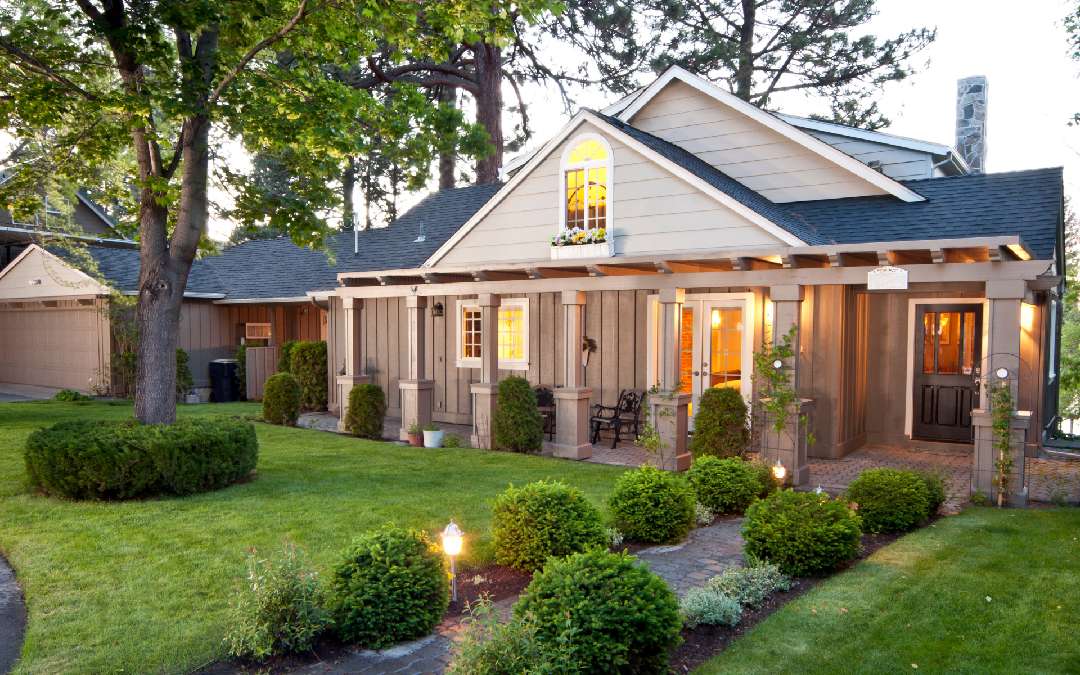
Creating a beautiful and functional outdoor space starts with thoughtful landscape design. Whether you’re working with a compact backyard or a sprawling property, the right approach enhances curb appeal, improves usability, and increases property value. A well-planned yard reflects personal style while supporting comfort and practicality. Understanding a few core principles helps homeowners make confident decisions that bring their outdoor vision to life.
Landscape Design Starts With a Clear Vision
Before breaking ground on any project, define how the outdoor space will actually be used. Some homeowners prioritize relaxation, others focus on entertaining, and many want a mix of both. A successful landscape design begins by mapping out zones that serve specific purposes and ensuring every element has a clear function. Visualizing the layout before you start prevents costly mistakes and keeps the design cohesive from the beginning.
Every property also has unique environmental characteristics that directly influence landscape design decisions. Soil type, sunlight exposure, drainage patterns, and local climate all determine what will thrive in your specific space. Observing how sunlight moves across the yard throughout the day guides plant placement and seating area positioning. Understanding these conditions upfront helps create a sustainable, lower-maintenance landscape that works with your environment rather than against it.
Balance Hardscape and Softscape in Your Landscape Design
An effective landscape design blends hardscape and softscape elements seamlessly. Hardscape, patios, walkways, retaining walls, and driveways, provides structure and durability. Softscape, plants, grass, and garden beds, adds life, color, and natural beauty. Too much hardscape could make a space feel cold and uninviting, while too much greenery without structure can feel unorganized. Striking the right balance ensures the yard feels both beautiful and functional, with each element complementing the other.
Pathways deserve special attention in any landscape design plan. Well-placed walkways guide movement through the yard, connect different zones, and add texture and visual interest. Stone, brick, and gravel are all popular choices that can be selected to complement the home’s architectural style and overall aesthetic.
Landscape Design Tips for Plant Selection and Lighting
Plants are the heart of any outdoor space, and selecting the right ones is one of the most important landscape design decisions you’ll make. Choose a mix of evergreens, seasonal flowering plants, and ornamental shrubs to ensure year-round visual interest. Consider each plant’s mature size before planting, one of the most common landscape design mistakes is underestimating how large plants will grow, leading to overcrowding and excessive maintenance down the road. Group plants with similar water and sunlight requirements together to simplify care and support healthy growth. This approach creates a more natural, cohesive arrangement while dramatically reducing the time and effort required to maintain the landscape.
Outdoor lighting is an element that’s frequently overlooked but makes an enormous difference in how the space looks and functions. Proper lighting illuminates pathways and entry points for safety, while softer accent lighting around seating areas and garden features creates warmth and ambiance that extends the usability of the outdoor space well into the evening. Solar-powered and LED options make it easier than ever to add quality lighting without complex wiring.
Add Personality and Keep Maintenance in Mind
A yard should feel like a natural, personal extension of the home. Focal points anchor the landscape design and give the space a sense of intention and structure. Mixing colors, textures, and plant varieties creates visual depth and interest that makes the yard feel dynamic rather than flat. While an ambitious landscape design may look impressive, long-term maintenance is equally important to consider. Choosing durable materials and low-maintenance plants suited to your climate ensures the yard remains enjoyable rather than becoming a burden.
A well-executed landscape design transforms any yard into a beautiful, functional extension of the home. With a clear vision, the right plant choices, a thoughtful balance of hard and soft elements, and attention to lighting and personality, any homeowner can create an outdoor environment that enhances both daily living and long-term property value.
Frequently Asked Questions (FAQs)
What is the first step in landscape design?
Define how you want to use the space and create a clear plan before making any changes.
How can I make my landscape design low maintenance?
Choose native and drought-tolerant plants suited to your local climate, group plants with similar water and sunlight needs, and incorporate durable hardscaping materials that require minimal upkeep. These choices significantly reduce the ongoing time and effort required to keep the yard looking great.
Can I handle landscape design myself or should I hire a professional?
Many homeowners successfully tackle basic landscape design projects independently. For complex designs, significant grading or drainage work, or large properties requiring detailed planning, consulting a professional landscape designer can save time, prevent costly mistakes, and produce a more polished result.
How long does a landscape design project typically take?
Simple updates like adding garden beds or installing pathway lights can be completed in a weekend. Full landscape redesigns involving hardscaping, irrigation, and extensive planting typically take several weeks to complete depending on the scope and scale of the project.
Does landscape design increase property value?
Yes. A well-maintained, thoughtfully designed landscape significantly improves curb appeal and is one of the highest-return outdoor investments a homeowner can make.
Horizon Inspection Services offers home inspection services to customers in Arizona. If you’re buying or selling a home, contact us to schedule an appointment.