
Lighting upgrades are one of the most effective ways to refresh a home without a full renovation. The right lighting can completely change how a space looks, feels, and functions. From improving visibility in work areas to creating a cozy atmosphere in living spaces, thoughtful lighting choices make everyday life more comfortable and enjoyable. Many homeowners underestimate the impact of lighting. Outdated fixtures or poor placement can make even a beautifully designed room feel dull or cramped. On the other hand, well-planned lighting upgrades highlight architectural features, enhance colors, and even make rooms appear larger.
Beyond aesthetics, lighting upgrades also improve energy efficiency. Modern LED options consume significantly less electricity and last much longer than traditional bulbs. This means lower utility bills and fewer replacements over time, making lighting improvements both practical and cost-effective.
Choosing the Right Lighting Upgrades for Each Room
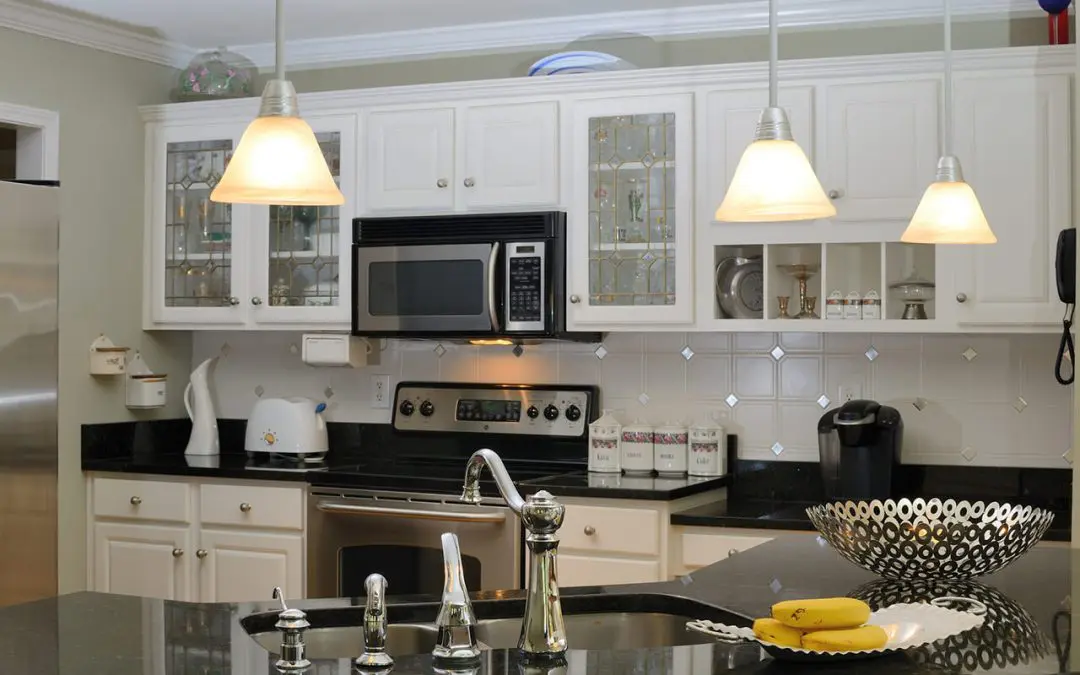
Every room in a home serves a different purpose, and lighting should reflect that. In kitchens, bright and focused lighting is essential for cooking and food preparation. Under-cabinet lighting and ceiling-mounted fixtures help eliminate shadows and improve safety. Living rooms benefit from layered lighting. Combining ambient lighting with accent and task lighting creates a flexible space that adapts to different activities. A mix of floor lamps, wall sconces, and overhead fixtures allows for both relaxation and entertaining.
Bedrooms call for softer, more calming light. Adjustable bedside lamps and dimmable fixtures provide comfort and convenience. Bathrooms, meanwhile, require balanced lighting that minimizes shadows, especially around mirrors. By tailoring lighting upgrades to each space, homeowners can improve both functionality and atmosphere throughout the home.
Energy Efficiency and Smart Lighting Upgrades
Modern lighting upgrades often go hand in hand with energy efficiency. LED bulbs use a fraction of the energy of incandescent lighting and last significantly longer. This not only reduces electricity costs but also minimizes environmental impact. Smart lighting systems take things a step further. These systems allow homeowners to control brightness, color temperature, and scheduling through mobile apps or voice commands. Lights can be programmed to turn off automatically when a room is empty or adjust throughout the day to match natural light patterns. Smart lighting upgrades also add convenience and security. Timed lighting can make it appear as though someone is home even when the house is empty. Motion sensors illuminate entryways and outdoor areas, enhancing safety without wasting energy.
Enhancing Home Value with Lighting Upgrades
Investing in lighting upgrades could also increase a home’s value. Potential buyers are often drawn to homes that feel bright, modern, and energy-efficient. Updated lighting fixtures and systems signal that a home has been well-maintained and thoughtfully designed. Simple changes like replacing outdated fixtures, adding recessed lighting, or installing dimmer switches could make a noticeable difference. These upgrades are relatively affordable compared to larger renovations but offer a strong return on investment. Outdoor lighting is equally important. Well-lit pathways, gardens, and entryways improve curb appeal and create a welcoming first impression. They also enhance safety by reducing the risk of trips and falls.
Common Mistakes to Avoid
While lighting offers many benefits, certain mistakes will limit its effectiveness. One common issue is relying on a single overhead light source. This could create harsh shadows and uneven illumination. Another mistake is choosing fixtures that are too large or too small for the space. Proportion matters, and the wrong size will disrupt the balance of a room. It is also important to consider color temperature. Lights that are too cool could feel sterile, while overly warm lighting may appear dim or yellow. Ignoring dimmers is another missed opportunity. Dimmers provide flexibility, allowing homeowners to adjust lighting levels based on mood and activity. They are a simple addition that significantly enhances the overall experience.
Planning Your Lighting for Long-Term Success
Successful lighting upgrades begin with a clear plan. Start by assessing each room’s current lighting and identifying areas that need improvement. Consider how the space is used and what kind of lighting would best support those activities. It is also helpful to think about layering. Combining ambient, task, and accent lighting creates depth and versatility. This approach ensures that rooms are both functional and visually appealing. Budget is another important factor. While it may be tempting to upgrade everything at once, prioritizing key areas will make the process more manageable. Kitchens, living rooms, and entryways often provide the most noticeable impact.
Frequently Asked Questions (FAQs)
Are lighting upgrades expensive?
The cost varies depending on the scope of the project. Simple changes like replacing bulbs or adding dimmers are affordable, while installing new fixtures or smart systems may require a larger investment.
Can lighting upgrades really save energy?
Yes, especially when switching to LED bulbs and smart lighting systems. These upgrades can significantly reduce electricity consumption and lower monthly energy bills.
Can lighting upgrades be done without professional help?
Many upgrades, such as changing bulbs or installing basic fixtures, can be done independently. However, more complex installations involving wiring or smart systems may require professional assistance.
What is the best type of lighting for a home?
There is no single best type. A combination of ambient, task, and accent lighting works best for most homes. The ideal setup depends on the specific needs and layout of each room.
Horizon Inspection Services offers home inspection services to customers in Arizona. If you’re buying or selling a home, contact us to schedule an appointment.