
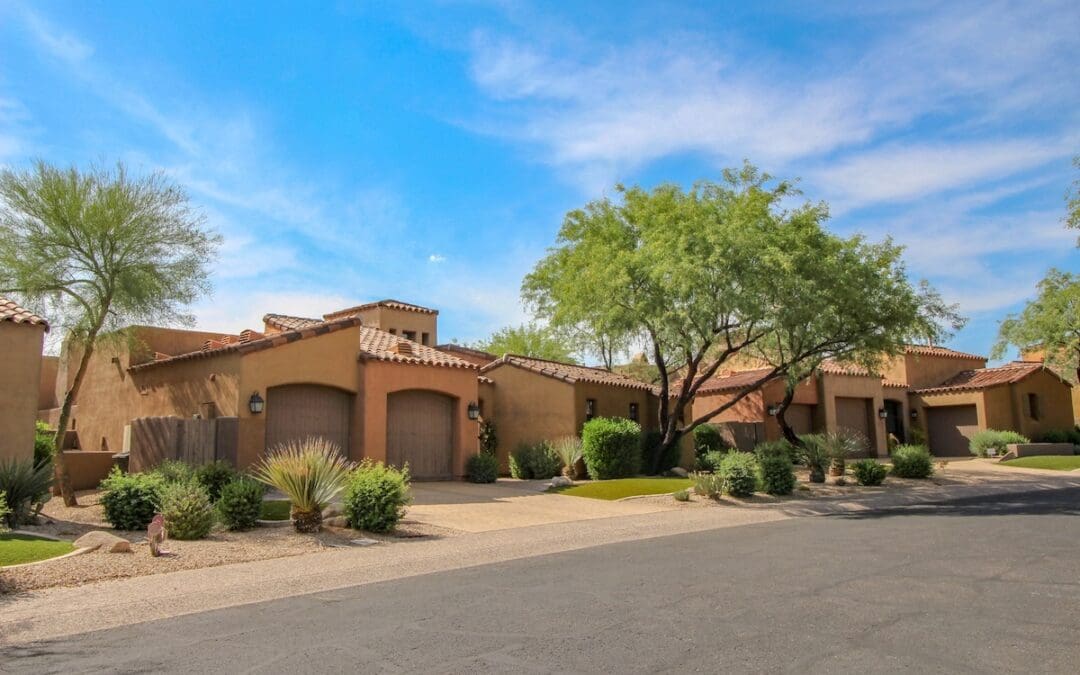
Fall is the best time to plant in the Valley of the Sun, which makes it the perfect moment to rethink a yard that demands more water and work than it’s worth. Desert landscaping isn’t just gravel and a lone cactus. Done well, it’s a layered, colorful, low-maintenance design that thrives in Arizona’s heat, cuts water bills, and looks good year-round. Whether you’re starting from scratch or updating a tired lawn, here’s how to plan and plant a yard that fits the climate.
How to Plan Desert Landscaping That Fits Your Yard
Start by observing the space. Note where the sun hits hardest, where shade falls, how water drains, and where you walk and relax. Group plants by water needs so thirstier species sit near the patio or entry and the toughest plants fill the outer areas. Choose a mix of heights, such as trees for shade, shrubs for structure, and groundcovers or accents for color and texture, so the yard looks full even with fewer plants. Sketch the layout on paper first, leave room for plants to reach mature size, and call 811 before digging to locate underground utilities. Remember that young plants look small, so resist the urge to crowd the bed, and place focal points where you’ll see them most from windows and the patio.
Choose Plants and Materials That Handle Heat
Good desert landscaping starts with plants that are adapted to heat and low rainfall. Native and desert-adapted choices include agave, red yucca, desert marigold, brittlebush, Texas ranger, and trees like palo verde and desert willow. Group plants with similar water needs together so one schedule works for the whole bed, and add seasonal color with fall annuals and ornamental grasses for movement. Place shade trees on the south and west sides of the house to cool the home in summer. Cover bare soil with two to three inches of decomposed granite or gravel, which reduces evaporation and weeds while giving the yard a finished look. Boulders and dry creek beds add visual interest and can help direct stormwater. Cacti and other spiny succulents add sculptural interest, but keep them away from walkways where people and pets could brush against them.
Irrigation That Keeps Desert Landscaping Healthy
Even desert plants need regular water during their first year while roots establish. Drip irrigation delivers water slowly to the root zone with little waste, and it’s far more efficient than overhead spray for shrubs and trees. Water deeply and infrequently to encourage deep roots rather than shallow, frequent sips, and water more often at first, then stretch the interval as plants mature. A layer of gravel around the base of each plant also keeps the soil cooler. Put the system on a timer and adjust the schedule with the seasons, watering less in cool months. Check emitters and lines periodically for clogs, leaks, and animal damage, since a broken line can waste water quickly and leave plants stressed.
Maintain Your Yard Through the Seasons
Low maintenance doesn’t mean no maintenance, even with desert landscaping. Prune at the right time of year and avoid heavy cutting in summer heat, which can stress plants. Protect tender plants such as bougainvillea with frost cloth on the rare freezing night. Pull weeds after monsoon rains, top up gravel where it thins, and clear dead plant material to reduce fire risk and hiding places for pests. Remove spent blooms and trim dead growth on agave and yucca, and watch for pests such as aphids and caterpillars so you can treat them early. A quick walk through the yard once a month catches small problems before they grow.
Frequently Asked Questions (FAQs)
When is the best time to plant in Arizona?
Fall through early spring is ideal. Cooler temperatures and milder sun allow roots to establish before summer heat arrives, which gives plants a much better chance of thriving.
Does desert landscaping really save water?
Yes. Compared with a large lawn, desert-adapted plants and drip irrigation can significantly reduce outdoor water use, which matters in a region where water is a limited resource.
Can I keep some grass?
Yes. A small patch of turf in the most-used area gives you a play space or lounging spot without the cost and upkeep of a full lawn.
How do I control weeds in gravel?
Use a quality pre-emergent in late winter and late summer, keep gravel at a proper depth, and pull weeds after rain before they set seed.
Will it attract pests or snakes?
Keeping debris cleared, trimming plants away from the house, and sealing gaps in the foundation reduce hiding places for rodents and snakes.
Horizon Inspection Services offers home inspection services to customers in Arizona. If you’re buying or selling a home, contact us to schedule an appointment.
Recent Comments